
If I were still living in Upstate New York, I would be thinking about planting my flower garden. Thinking—not planting—as it never seemed safe to put the annuals into the ground until Memorial Day weekend. Before I knew better, I had planted the fragile blooms too earlier and watched them die before they even rooted, hit by a late frost.
Not that I or any member of our family were known for our green thumbs. My family’s track record for killing all but the most hardy plants dates back to August 1952, when we moved into our house in Keeseville, New York. While the inside of the house needed plenty of work, the previous owner, Laura Gardener (how appropriate!) kept a beautiful yard.A huge hedge of tiger lilies bordered the front of the house alongside a pristine lawn. In the back was a beautiful flower garden filled with fragrant phlox, lovely lilies of the valley, rose bushes, and a bird bath. At least that was what Laura and Jay, my two older siblings, remembered. By the time I first could recall the yard, it had already shown the neglect that my parents, who grew up in New York City apartments, had bestowed on Ms. Gardener’s labors. Sadly, it never regained its floricultural splendor while the Cohens lived there.
When I was around twelve, my father decided to put in a vegetable garden in our side yard. As with most of my father’s projects, he was the idea man and I was the unwilling implementer. We may have gotten some tomatoes that year, but by the next spring, grass was growing on the small plot and the experiment was over.
The idea man/implementer plan also worked for my father over twenty years later at the family cottage on Lake Champlain. One fine June morning, Dad showed me the roll of black mulch he had gotten on sale. “It’s for my vegetable garden,” my father announced. “ Dad,” I said. “You don’t have a vegetable garden!” “I will soon,” he told me, pointing a tray of tomato and pepper plants and a hoe resting on a small patch of land next to the garage. “Start digging.” For the rest of that summer during my weekend visits, I was like the Little Red Hen—planting, weeding, watering. Dad, however, was in charge of harvesting— proudly showing off “his” yield.
Meanwhile, Larry and I were already living our own “Better Homes and Gardens” experience. On a beautiful fall day in 1988, our realtor showed us our future home.We liked the house but especially loved the large front yard and woods offering privacy in the back. When a squirrel ran across the plush lawn, we were sold. (To this day, I swear that the owner had hidden behind a tree and released that rodent on purpose.)
While Larry mowed, I planted. On or soon after Memorial Day, I would go to the local garden place and fill my car with red impatiens, begonias, salvia, and some coleus. I would clean up the rock garden on the side of our property and the area underneath the bushes along the front. I would dig and plant and water and weed until my back hurt. In a throwback to my making-mud pies-days, my favorite part was getting dirty, so dirty I often had to strip off the top layer of clothes in the garage before walking back into the house.
By the end of July, however, my enthusiasm had wilted with the humidity. I had grown tired of the heat, the bugs, the occasional snake, and the sight of almost everything I planted failing to thrive. I encountered success in only two areas: Although the other annuals usually died an early death, the impatiens continued to bloom until the first frost. In addition, my hosta plants were the envy of the neighborhood, growing ridiculously big and needing separating every season until I had hosta growing around three sides of the house.
Any attempts at our growing a vegetable garden provided a bounty— not for us but for the wildlife and the insects. As had happened with my flowers, early June’s enthusiasm was followed by August’s failure-to-thrive. I learned that the vegetable stand on the corner of Grooms and Moe Roads was a tastier, less work-intensive alternative to hours in a garden to gather a few tomatoes and sad looking peppers.
After mowing lawns and raking leaves for over 35 years, Larry had turned over those jobs to our neighbor’s son, who had started a lawn care business. Maybe it was time for me to hang up my gardening tools as well.
I found my escape when we relocated to Florida. Our community has a home owner’s association (HOA), whose fees include lawn care. I can leave all our landscaping chores to the wonderful people who descend on our property every Tuesday. After they mow our lawn and trim our bushes in trees, the workers munch on the cookies I gratefully place on their water cooler. A few extremely hardy potted plants on my lanai satisfy any urge I have to tempt fate to kill the un-killable.
Not all my neighbors have abandoned in their gardening gloves.Many have turned their lanais into a virtual greenhouse with hundreds of potted plants, fountains, ponds, and even in one friend’s home, a koi pond! For others, the lanai also serves as a vegetable garden, with shelves of herbs and large planters filled with tomatoes, a variety of peppers, and even eggplants. On our frequent walks, we have seen screened in courtyards filled with raised beds filled with flowers and vegetables. And each month, one home sports a “Yard of the Month” sign in recognition of the owners’ dedication to their outdoor displays of flowers and landscaping.
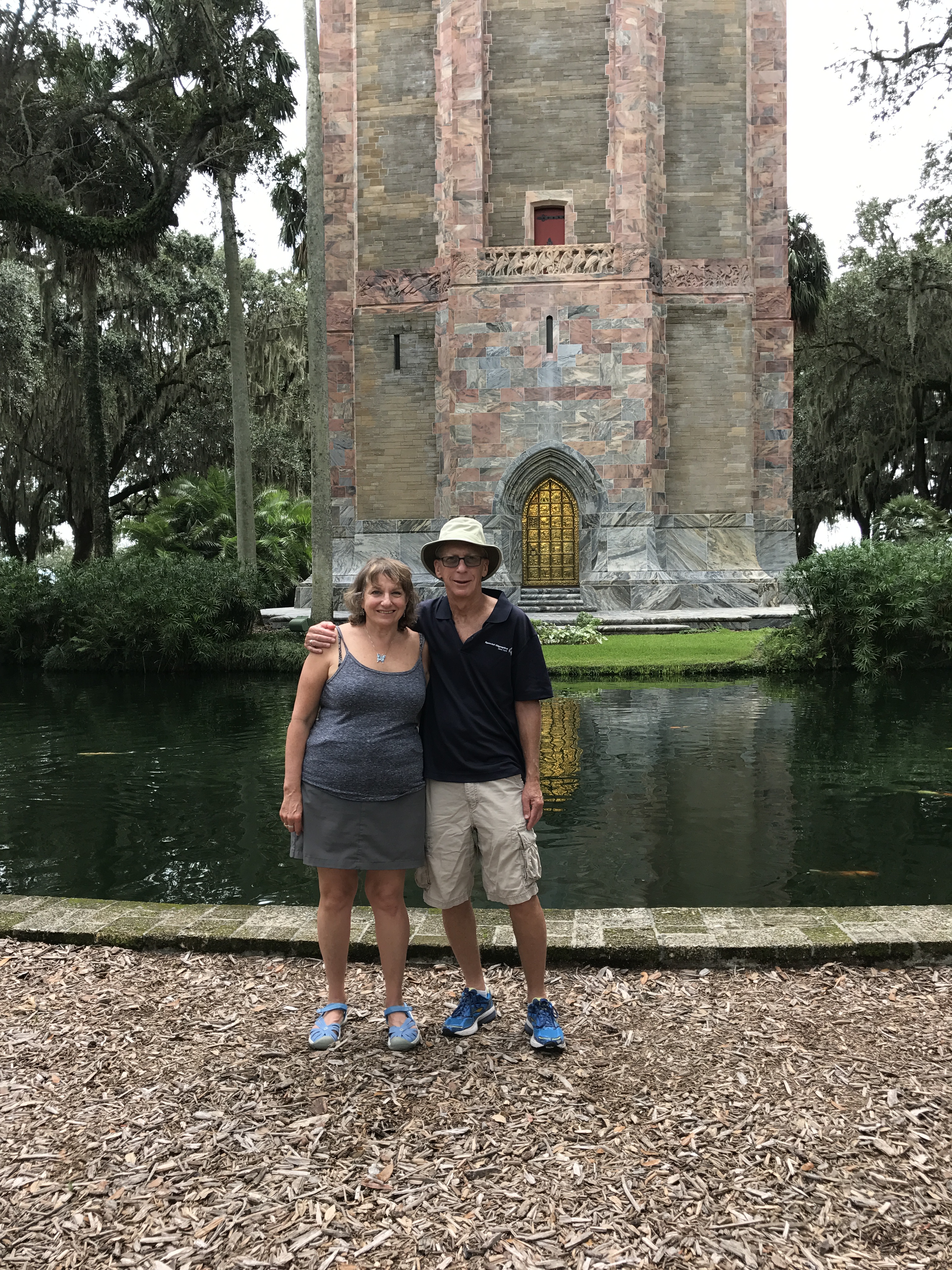
Thank you, but no thanks. Outside of an occasional snip on a wayward bush, I am happy with our lawn service. If I want to see lush gardens, my husband Larry and I can take stroll in Bok Tower Gardens, a beautiful 250 acre garden and bird sanctuary only a short 40 minute drive. Now that we are vaccinated, we will again be able to enjoy Epcot’s annual International Flower and Garden Festival, complete with topiaries of our favorite Disney characters. Yep, this girl has switched out her hoe-hoe-hoes for a simpler life. Ho! Ho! Ho!
A version of this article originally appeared in the Jewish World News, a bi-weekly subscription-based newspaper in upstate New York, in the April 15-April 24, 2021, issue.
Image courtesy of cdc on upsplash.com.
 There Goes My Heart